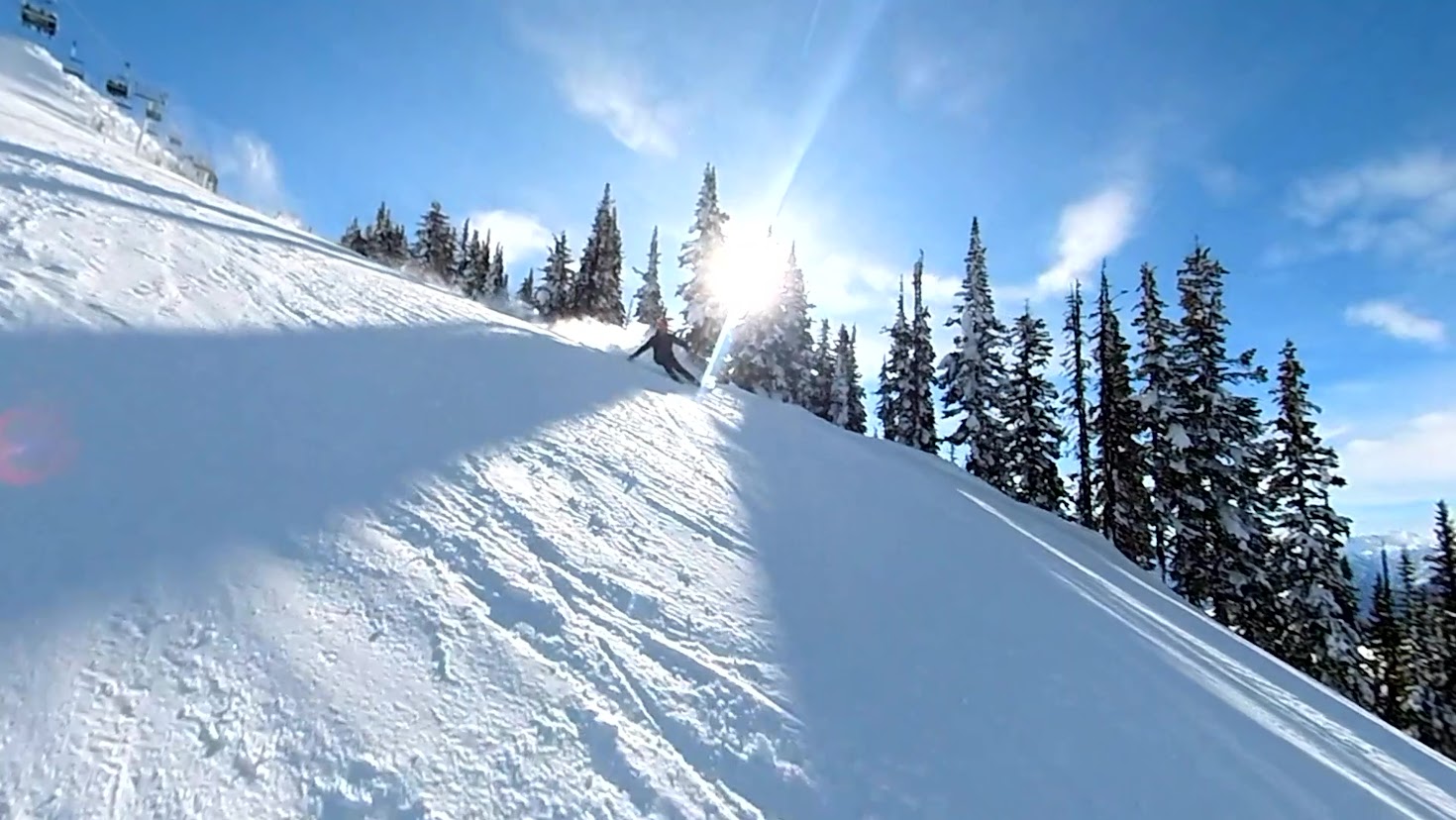
Yesterday, I collided with another skier in a turn.
It happened on the last run of the last day of a memorable ski season, and it left me with an injury that could have been avoided. Two skiers cutting wide, both confident, both feeling in control. Both responsible.
My shoulder is stiff this morning, but that is not what stayed with me. What stayed with me is this: I do almost everything right. I eat well. I move every day. I do not smoke. I sleep well. I work to give my life meaning. I follow my own advice on longevity.
Almost all of it.
But there is a blind spot, and yesterday it caught up with me.
Over the years, friends have worried about my skiing. Not because they doubt my ability, but because they see the pattern. I ski with confidence. I carve hard. I love the speed, the precision, the satisfaction of holding a technical line. But I also go fast, and I often cut wide.
It is the same with mountain biking.
This is not recklessness, at least not in the usual sense. It comes from competence. You know your machine. You know your body. You read the terrain well. You feel in control.
That is exactly where the danger lies.
Individual skill does not protect you from shared risk. Yesterday’s accident was not caused by obvious carelessness. It happened because two people, each feeling capable and in command, were making the same risky choice at the same time. When two risky behaviors converge, even if each one feels mastered, the result can be a collision.
Fortunately, the damage was minor. My shoulder is stiff, but it will heal. And I am sure my physical conditioning helped reduce the impact.
But that reveals a paradox. Conditioning can soften the consequences. It does not reduce the exposure. A helmet, pads, strength, fitness: all of these matter. But they are forms of mitigation, not prevention.
People have told me for years to slow down and be more careful. My response, usually unspoken, was always the same: I am in control. This is different.
Yesterday reminded me that control is only partial. You can control your own movements. You cannot control someone else’s. And when your style leaves little margin for error, it only takes one other person doing something similar for things to go wrong.
The injury was minor. The lesson was not.
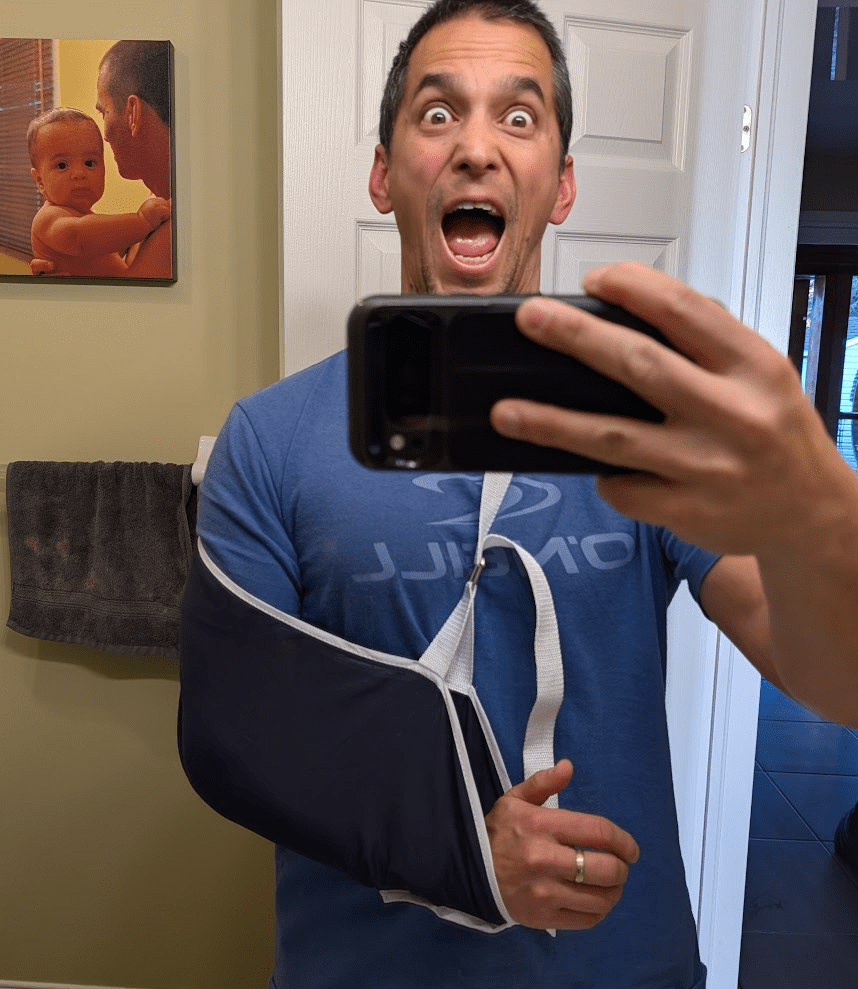
If I am serious about longevity, I need to face this honestly. I pay attention to nutrition, sleep, movement, and meaning. But the way I manage risk in sport is a weak link.
And weak links matter.
The lesson is not to stop. It is to change the behavior. Not the gear. Not the conditioning.
The behavior.
 Martin Pham Dinh