Recently, I caught myself in an unsettling behavior while conversing with a close friend. We were discussing a variety of topics when subject “X” emerged. The topic itself is inconsequential; what matters is the pattern of our dialogue. I suspect I’m not the only one who engages in this, and that realization is both comforting and concerning.
As the conversation turned to “X,” my opinion intensified. I grew more vocal about my frustrations, elevating my stance above the average viewpoint, asserting that “they” were wrong and “I” was right. My friend readily joined in, and together we reveled in our shared sense of righteousness. The conversation became an “us vs. them” narrative, with “them” being anyone who differed from our perspective.
I did not like the person I became during that conversation: excited, loud, self-assured.
We did not resolve any issue.
We did not construct a better world.
We just whined together.
It meant nothing, achieved nothing.
It did not even relieve our frustration, it fueled it.
Why do we engage in such behavior?
A wise friend once told me that humans are not social animals, but tribal ones. I find truth in that. Tribalism often leads to exclusion, where we focus on minor differences to establish a false sense of superiority. This becomes the foundation for further exclusion.
I’m progressively abandoning this toxic tribal mentality. My aim is to be more social, open, and empathetic, particularly to those who differ from me. It’s the best way I know to make a better world.
Going forward, if I choose to engage in a critical discussion on any topic, I will aim to be part of the solution rather than merely a complaining observer.
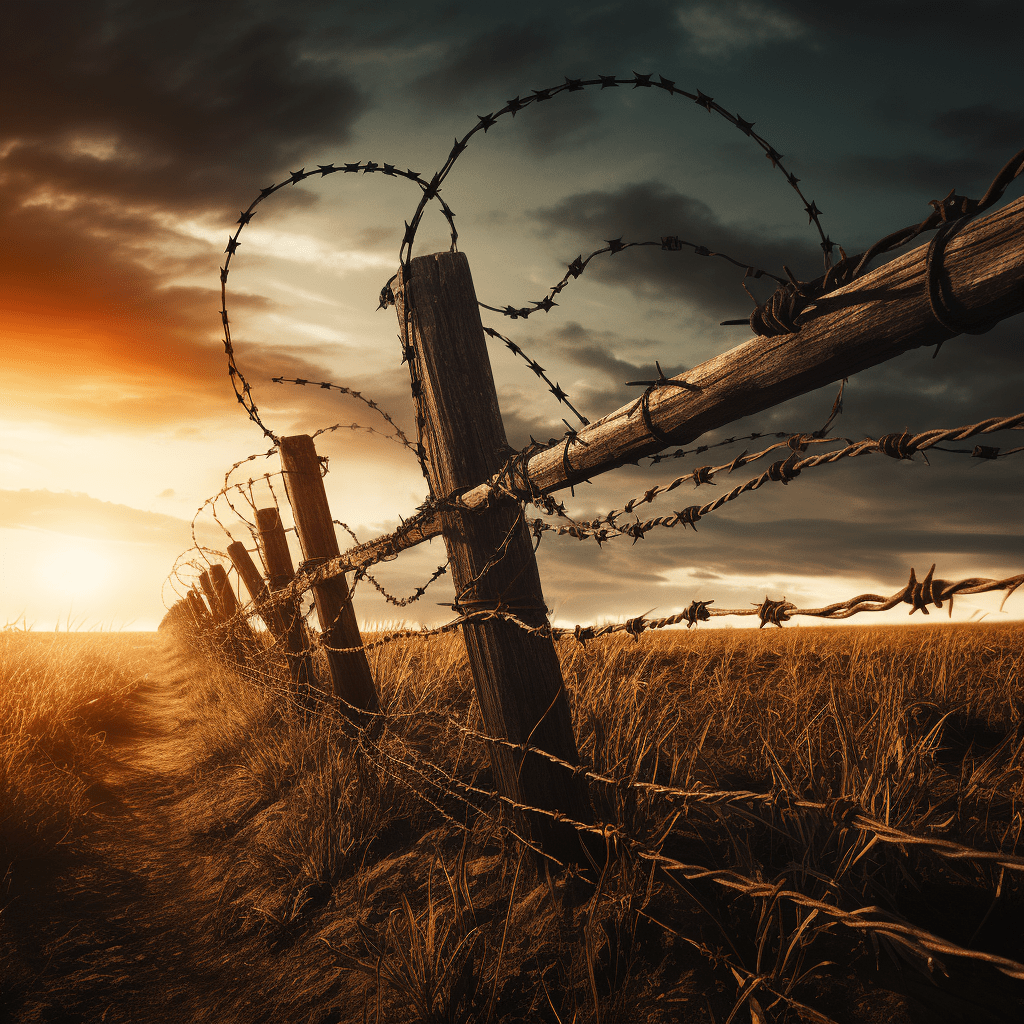
Nowadays, we need to build more bridges, not fences. Thank you.

 Martin Pham Dinh